
Why uptime is only the first layer
Online is the starting point. Usable is what matters.
200 OK does not mean your customer can use the page.KeyPages checks the rendered customer experience after the server responds — including the content, dependencies, and key action that matter.
KeyPages scanEvidence captured
Server responseIs the server up?200 OK
Rendered pageDid the page render correctly?Signup form missing
Customer jobCan the customer complete the job?Create account blocked
They answer different questions.
Basic uptime confirms availability and response health.
KeyPages checks whether the rendered page still works for the customer.
Scripted synthetic monitoring can test rich user flows; KeyPages starts with the important page URL and applies relevant page-specific protection. See how the three approaches compare.
What basic uptime can miss.
The server responds. The customer journey can still fail after the page loads.
Basic uptime sees
- 200 OK
- TLS valid
- Response time normal
- No HTTP error
Everything looks green.
KeyPages can surface
- Critical content missingSignup form, pricing details, or product controls disappear.
- Primary action unavailableA CTA, submit button, or add-to-cart control cannot be used.
- Browser dependency failedA script, resource, or provider breaks after the HTML loads.
- Unexpected route or loopSignup or login sends the visitor somewhere unintended.
- Page cannot complete its jobSearch, product selection, or checkout stops working.
Basic uptime: Server respondedKeyPages: Customer job blocked
Representative examples — not customer incidents.
Evidence, not just another red light.
Expected
Signup form present and usable.
Observed
Signup form missing. Key action blocked.
Screenshot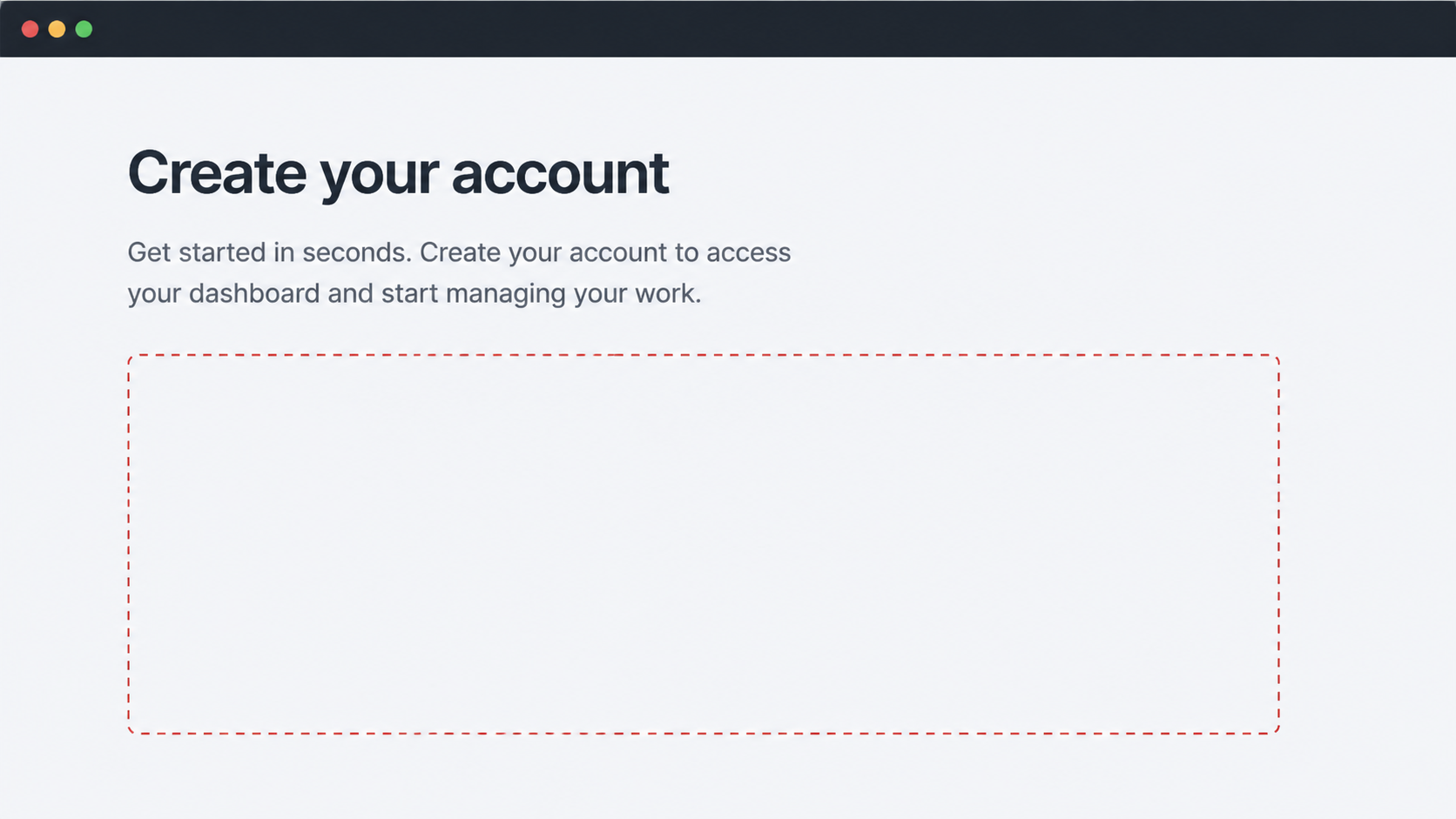
Later checks confirm when the page is working again.
Keep uptime monitoring for availability.
Add page-first protection where customer jobs matter.