
A product page that loads is not a product page that sells.
Product pages rarely go down. They lose the price, the buy button, or the structured data that earned the click, and carry on returning a healthy response the entire time.
They do not break. They degrade.
A product page has several parts, and only some of them are load-bearing. Lose one and you are left with a page that looks complete and cannot be bought from.
- The price stops rendering, so there is nothing to decide on.
200 OK - Add-to-cart renders but comes back disabled.
200 OK - The variant selector never populates, so no option can be chosen.
200 OK - Product media 404s and the page looks abandoned.
200 OK
The same page, before and after a quiet regression.
KeyPages checks the rendered output rather than the response code, so a page can be compared against what it looked like when it was working.
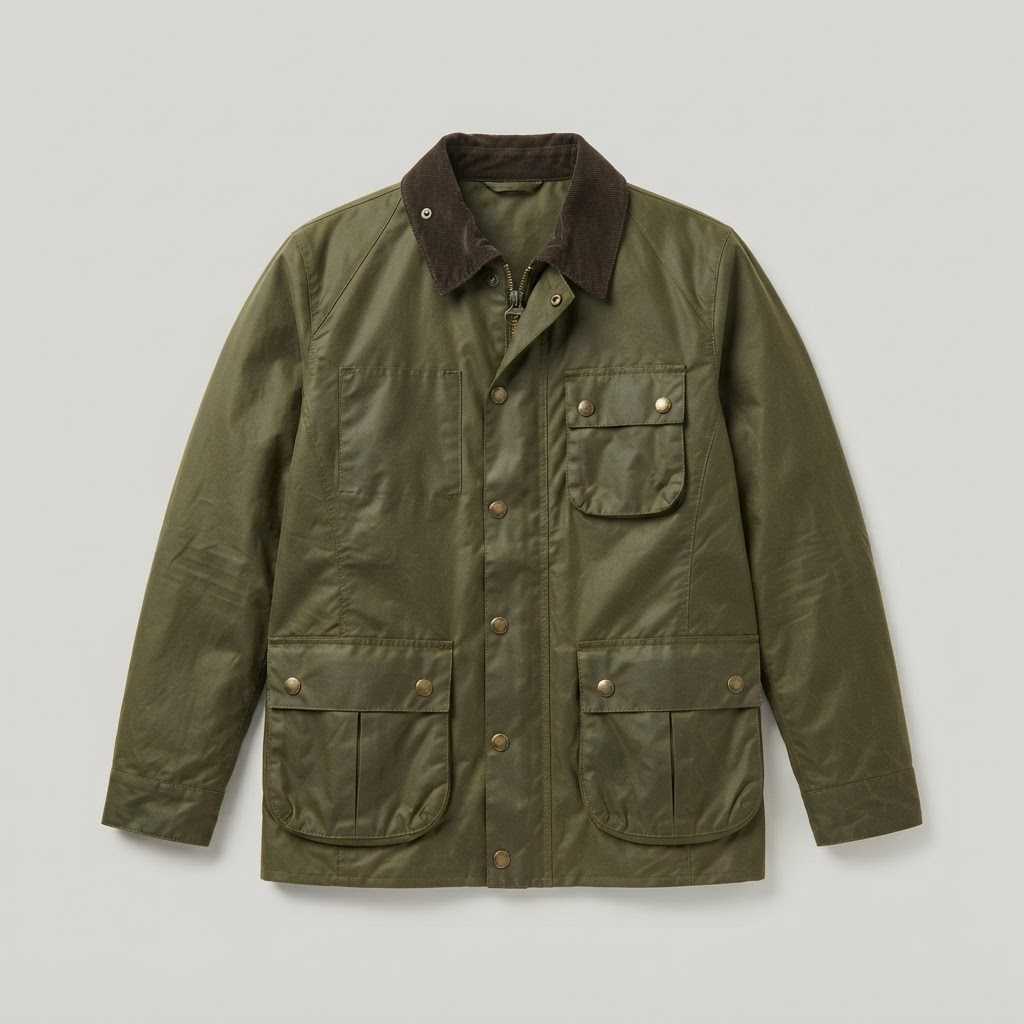
Waxed Field Jacket
£68.00SizeA price a customer can read, media that loads, options they can choose, a buy action they can use, and the structured data that earns the listing.
Switch to the same page now to see what a regression actually looks like.
This is the render KeyPages holds as the baseline for this page.
You cannot watch every product. You do not need to.
A catalogue has thousands of product pages. No team is loading them each morning to confirm they still sell.
A small number of products carry most of the orders, and those are the pages worth protecting properly.
You choose the product pages that matter. KeyPages keeps them under continuous watch against production.
Product pages also earn the traffic.
Losing the ability to sell costs you today's orders. Losing how the page is understood by search costs you the next few months of them.
- Structured data disappears
Product schema drops out of the markup and the rich result it earned quietly stops appearing.
- Canonicals and indexability drift
A template change points the page somewhere else, or tells search engines to leave it alone.
- Traffic decays instead of dropping
There is no incident to notice. The page simply earns less every week until someone audits it.
Pick your best seller. Protect that one first.
Paste its live URL. KeyPages works out that it is a product page and what it has to do.